Español

December 16, 2025

EXPERT GUIDE • THYROID SURGERY • BALTIMORE, MD
When thyroid surgery complication rates vary by more than 10x between surgeons, asking the right questions isn't optional—it's essential. Here's your complete guide from a Johns Hopkins-trained endocrine surgeon.
When you need a thyroid surgeon, you want the best thyroid surgeon. Not just good. Not just experienced. The best. You already know this intuitively—but here's what the research proves: some thyroid surgeons have complication rates more than 10 times higher than others.
Think about what that means. The difference between surgeons isn't about whether they're nice or whether you like them. It's the difference between waking up with your normal voice versus permanent hoarseness that forces you to change careers. Between normal calcium levels versus taking medication three times daily for the rest of your life. Between one surgery that cures your thyroid cancer versus multiple operations because nodules were missed the first time.
The Sobering Reality: In the United States, nearly 90% of thyroid operations are performed by surgeons who do fewer than 25 thyroid surgeries per year. These occasional thyroid surgeons typically perform thyroid surgery once or twice a month—spending most of their time on gallbladders, tonsils, or breast biopsies. Yet when complications occur from thyroid surgery, they can be catastrophic and permanent.
Most thyroid surgeons are competent. Most thyroid operations go reasonably well. But when you're the one on the operating table—when it's your voice, your calcium levels, your cure from thyroid cancer on the line—"reasonably well" isn't good enough.
The Question That Matters: How do you identify the thyroid specialist most likely to give you an exceptional outcome with the lowest possible complication rate?
This guide provides 14 evidence-based questions to ask when choosing a thyroid surgeon. These aren't polite interview questions to make conversation. They're a clinical framework for evaluating surgical expertise, safety protocols, and whether a particular surgeon has the specialized skills your case demands.
If you're in Baltimore, Maryland, Hunt Valley, or anywhere in the mid-Atlantic region searching for "thyroid surgeon near me," this guide will help you separate true thyroid specialists from general surgeons who occasionally perform thyroid operations.
Start here. These questions identify surgeons who meet fundamental safety standards for thyroid surgery. If a surgeon can't answer these three questions with confidence and transparency, end your consultation and continue your search.
Board certification in surgery—whether general surgery, otolaryngology-head and neck surgery, or endocrine surgery—is the absolute baseline. It confirms your surgeon completed rigorous training, passed comprehensive examinations, and maintains continuing medical education requirements.
This is non-negotiable. If someone performing your thyroid surgery isn't board certified by the American Board of Surgery, the American Board of Otolaryngology-Head and Neck Surgery, or a recognized surgical board, walk away immediately. Period.
Many general surgeons perform thyroid surgery occasionally—maybe once or twice a month—as part of a broader general surgery practice that includes gallbladders, hernias, breast surgery, and other procedures. But thyroid surgery demands specialized, focused expertise.
Ask what percentage of their practice focuses exclusively on thyroid and parathyroid conditions. The best thyroid surgeons dedicate their entire careers to endocrine surgery, performing these operations daily rather than monthly. A surgeon who specializes in thyroid surgery stays current on emerging techniques, invests in specialized safety technology, and develops the pattern recognition that only comes from seeing thousands of cases.
Red flag: If a surgeon says "I do all kinds of surgery, including thyroid surgery," that's not specialization—that's dabbling.
Here's where you separate surgeons who track outcomes from surgeons who hope for the best. High-volume thyroid surgery specialists should have permanent recurrent laryngeal nerve (voice) injury rates below 1%and permanent hypoparathyroidism (low calcium requiring lifelong medication) rates below 2%.
These aren't abstract statistics. These are the complications that devastate lives. Permanent voice injury can end a teaching career, a sales career, a singing career. Permanent hypoparathyroidism means taking calcium supplements three times daily forever—and if you miss doses, experiencing terrifying symptoms like muscle spasms, numbness, and heart rhythm problems.
Ask specifically: "What is YOUR permanent complication rate for recurrent laryngeal nerve injury and permanent hypoparathyroidism?" Not your hospital's rate. Not the national average. YOUR rate.
If a surgeon won't share their personal complication rates, that's a massive red flag. The best thyroid surgeons track their outcomes meticulously and share them transparently because they're proud of their results. Surgeons who deflect this question typically do so because their results don't compare favorably to specialists.
If a surgeon can't answer these three questions with absolute confidence—board certification, true specialization in thyroid surgery, and documented low complication rates—stop the consultation. These aren't nice-to-haves. They're essential safety requirements. Everything else we discuss builds on this foundation.
Once you've confirmed a surgeon meets basic safety standards, dig deeper into expertise. These questions reveal whether you're consulting with a good thyroid surgeon or one of the exceptional thyroid specialists who defines excellence in the field.
Volume matters tremendously in thyroid surgery, and research consistently confirms this. Surgeons who perform more thyroid operations have better outcomes, fewer complications, and superior technique. But both annual volume AND career experience are critical.
Look for surgeons who perform at least 100-150 thyroid operations annually. That means they're doing these operations multiple times per week, every single week. At that volume, they're not just performing routine cases—they're managing complex thyroid cancers, massive goiters, and revision surgeries from other surgeons' complications.
Also ask about lifetime experience. A surgeon who has performed 3,000+ thyroid operations brings pattern recognition and surgical judgment that only comes from extensive experience managing every conceivable anatomical variation and complication.
Context: The average general surgeon performs about 10-15 thyroid operations annually. The difference between 15 cases per year and 150 cases per year is the difference between a hobby and a subspecialty. Choose the subspecialist.
The American Board of Otolaryngology-Head and Neck Surgery offers "Focused Practice Designation" for surgeons who demonstrate exceptional volume and expertise in thyroid and parathyroid surgery specifically. This designation requires surgeons to document substantial case volumes, maintain high standards, and demonstrate continued commitment to the subspecialty through continuing education and outcomes tracking.
While not every excellent thyroid surgeon has this designation (it's a relatively new credential), it's an additional validation of specialized expertise. If a surgeon has it, it confirms they've voluntarily submitted their practice for rigorous peer review.
The best thyroid surgeons don't just know one way to remove a thyroid gland. They master multiple surgical techniques and tailor the approach to each patient's anatomy, disease characteristics, cosmetic concerns, and personal goals.
Ask about their experience with different approaches: traditional cervical (neck) incisions, minimally invasive techniques for small thyroid cancers and nodules, and potentially scarless approaches like transoral endoscopic thyroid surgery (TOETVA) that leaves no visible neck scar.
Warning sign: A surgeon who only offers one approach may be limiting your options based on their comfort level rather than your best interest. Conversely, a surgeon proficient in multiple techniques can recommend the specific approach most likely to give you the best functional and cosmetic outcome for your unique situation.
For certain benign thyroid nodules, radiofrequency ablation offers a non-surgical alternative that can shrink nodules 50-90% without removing the thyroid gland. Not every thyroid condition is appropriate for RFA—most thyroid cancers still require surgery, and large goiters typically need surgical removal.
But surgeons who offer RFA alongside traditional surgery demonstrate two important qualities: First, they stay current with evolving techniques rather than relying solely on training from 10-20 years ago. Second, they prioritize finding the least invasive effective treatment for each patient rather than defaulting to surgery for every thyroid nodule.
This question isn't about whether you specifically need RFA. It's about evaluating whether your surgeon pursues the full spectrum of treatment options or takes a one-size-fits-all approach.
Modern thyroid surgery incorporates multiple technologies to maximize safety and minimize complication risk. Intraoperative nerve monitoring helps surgeons identify and protect the recurrent laryngeal nerves that control your vocal cords—the nerves responsible for your ability to speak, breathe, cough, and swallow safely.
Ask specifically about their nerve monitoring protocols. Do they use intermittent nerve monitoring (periodic testing) or continuous nerve monitoring (real-time feedback throughout the entire procedure)? What other safety technology do they employ—specialized energy devices for precise dissection, magnification systems for enhanced visualization, ultrasound guidance for thyroid cancer surgery?
The best thyroid surgeons invest heavily in technology that improves outcomes. They use these tools not because they're required (most aren't), but because they're committed to achieving the safest possible results.
Important clarification: Nerve monitoring doesn't prevent nerve injuries—expert surgical technique prevents nerve injuries. But nerve monitoring provides valuable real-time information that helps expert surgeons make better decisions during complex cases.
When surgeons are invited to speak at national medical conferences, teach at specialized surgical training courses, or serve as visiting professors at other academic medical centers, it signals that their peers recognize them as leaders in thyroid surgery.
Ask: Do you teach other surgeons? Do you speak at medical conferences? Have you published research in medical journals? Do you serve on guideline committees for organizations like the American Thyroid Association or the American Association of Endocrine Surgeons?
While these academic activities don't directly perform your surgery, they indicate a surgeon who shapes the field rather than simply practices within it. Surgeons whom other surgeons trust to teach them tend to be exceptional at what they do.
Some thyroid surgeons literally write the consensus statements and clinical practice guidelines that establish standards of care for the entire field. Serving on guideline committees for the American Thyroid Association requires demonstrated expertise, extensive peer recognition, and deep knowledge of the published evidence on thyroid surgery outcomes.
A surgeon who contributes to writing international thyroid surgery guidelines brings extraordinary expertise to your care. They don't just follow best practices—they define them based on comprehensive review of the global literature and consensus among recognized experts.
This is rare. Very few thyroid surgeons serve on these committees. If your surgeon does, you're consulting with someone at the absolute pinnacle of the subspecialty.
The best thyroid surgeons don't just follow standards of care. They establish them through research, teaching, and leadership that shapes the entire field of endocrine surgery.
Even the most accomplished thyroid surgeon must be accessible, communicate clearly, and be the right personal fit for you. These questions address practical considerations that affect your experience and long-term satisfaction.
Many of the best thyroid surgeons in the United States don't participate in insurance networks. This allows them to spend adequate time with each patient (30-45 minute consultations instead of 10-minute appointments), maintain the highest safety standards without administrative constraints, maintain smaller patient volumes to focus on complex cases, and invest in advanced technology and training that insurance reimbursement often doesn't cover.
Here's the difficult but honest conversation about cost: What is avoiding a permanent voice injury worth to you? What about never needing to take calcium supplements three times daily for the rest of your life? What about the peace of mind that comes from knowing your thyroid cancer was completely removed the first time by a surgeon with exceptional outcomes?
Many patients discover that paying out-of-pocket for a specialist with documented exceptional outcomes costs less in the long run than dealing with one complication from a lower-cost surgeon. One permanent complication—voice injury, calcium problems, or cancer recurrence requiring additional surgery—quickly exceeds the cost difference between surgeons.
If cost is a significant barrier, ask about payment plans, financing options, or whether they offer a cash-pay discount. But please don't let insurance participation be your primary criterion when choosing a thyroid surgeon. Your voice and your health are worth finding the right specialist—even if it means traveling farther or paying more.
Location matters, but perhaps less than you might think. For the surgery itself, most patients travel to see their surgeon only once or twice—for the initial consultation and the operation. Follow-up visits can often be coordinated with your local endocrinologist or primary care physician, especially for straightforward cases without complications.
Many patients across Maryland, Virginia, Pennsylvania, and Washington DC find it worthwhile to travel to Baltimore or Hunt Valley to see a true thyroid specialist—someone who performs 150+ thyroid operations annually—rather than choosing someone local who performs thyroid surgery only occasionally.
That said, if complications arise or if you need urgent post-operative care (rare but possible), having your surgeon within a reasonable distance can provide peace of mind. Weigh this factor based on your individual circumstances and the complexity of your case.
The best thyroid surgeons work seamlessly with endocrinologists, radiologists, pathologists, and other specialists involved in your care. If you have an endocrinologist you trust, ask them: "Do you have experience working with this surgeon? Do they communicate well? Do they follow up appropriately?"
Strong collaboration between your surgical team and your ongoing care providers ensures seamless treatment coordination and appropriate long-term management. This is especially critical for thyroid cancer patients who will need decades of monitoring, or for patients with complex medical conditions requiring coordinated care between multiple specialists.
Green flag: If your endocrinologist enthusiastically recommends a particular thyroid surgeon and regularly refers complex cases to them, that's powerful validation of both surgical skill and professional collaboration.
Technical expertise is essential—but so is clear communication, mutual respect, and post-operative accessibility. You need a surgeon who listens carefully to your concerns, explains your options in terms you understand, answers your questions patiently without rushing, and respects your input in decision-making about your own body.
Pay close attention during your consultation: Does the surgeon make eye contact? Do they speak in medical jargon or translate complex concepts into plain language? Do they seem frustrated by your questions, or do they welcome them? Do you feel heard and respected as a person, not just a case?
Surgery requires trust. You need to feel confident that your surgeon has your best interests at heart, will be honest with you about risks and realistic outcomes, and will be available when you have concerns. If something feels off during your consultation—if you feel rushed, dismissed, or uncomfortable—listen to that instinct even if the surgeon's credentials are impressive on paper.
Post-operative accessibility is equally critical. After your surgery, you'll likely have questions: Is this amount of pain normal? Should my incision look like this? Why does my voice sound different? Being able to reach your surgeon—or at minimum, someone on their team who knows your case intimately—provides invaluable peace of mind during recovery.
Ask specifically: How do you handle patient questions after surgery? Do you provide direct contact information? What's your typical response time? Do you offer telehealth follow-up appointments? This aspect of care often separates adequate surgeons from truly exceptional ones who understand that surgical excellence includes the entire patient experience.
You now have a comprehensive framework for evaluating thyroid surgeons. Not every question will carry equal weight for your specific situation, but together they paint a complete picture of surgical expertise, safety practices, and whether a particular surgeon is the right fit for you.
Your goal isn't perfection—it's the best possible outcome. You're not looking for a surgeon who scores 100% on every single criterion. You're looking for the surgeon most likely to give you an exceptional result for your specific thyroid condition, with the lowest risk of complications, who communicates in a way that builds your confidence and trust.
The three non-negotiable requirements deserve emphasis: board certification in surgery, true specialization in thyroid and parathyroid surgery (not occasional thyroid operations as part of general surgery), and documented low complication rates that they're willing to share transparently. Everything else builds on that foundation.
For patients in the Baltimore-Washington metropolitan area, Hunt Valley, or anywhere in Maryland searching for "best thyroid surgeon near me," this framework helps you evaluate whether surgeons you're considering truly specialize in thyroid surgery or simply perform it occasionally alongside their primary practice.
Trust your judgment. The research shows unequivocally that surgeon experience and volume directly impact your outcome—but your comfort, trust, and ability to communicate openly with your surgeon also contribute significantly to your surgical success and recovery satisfaction.
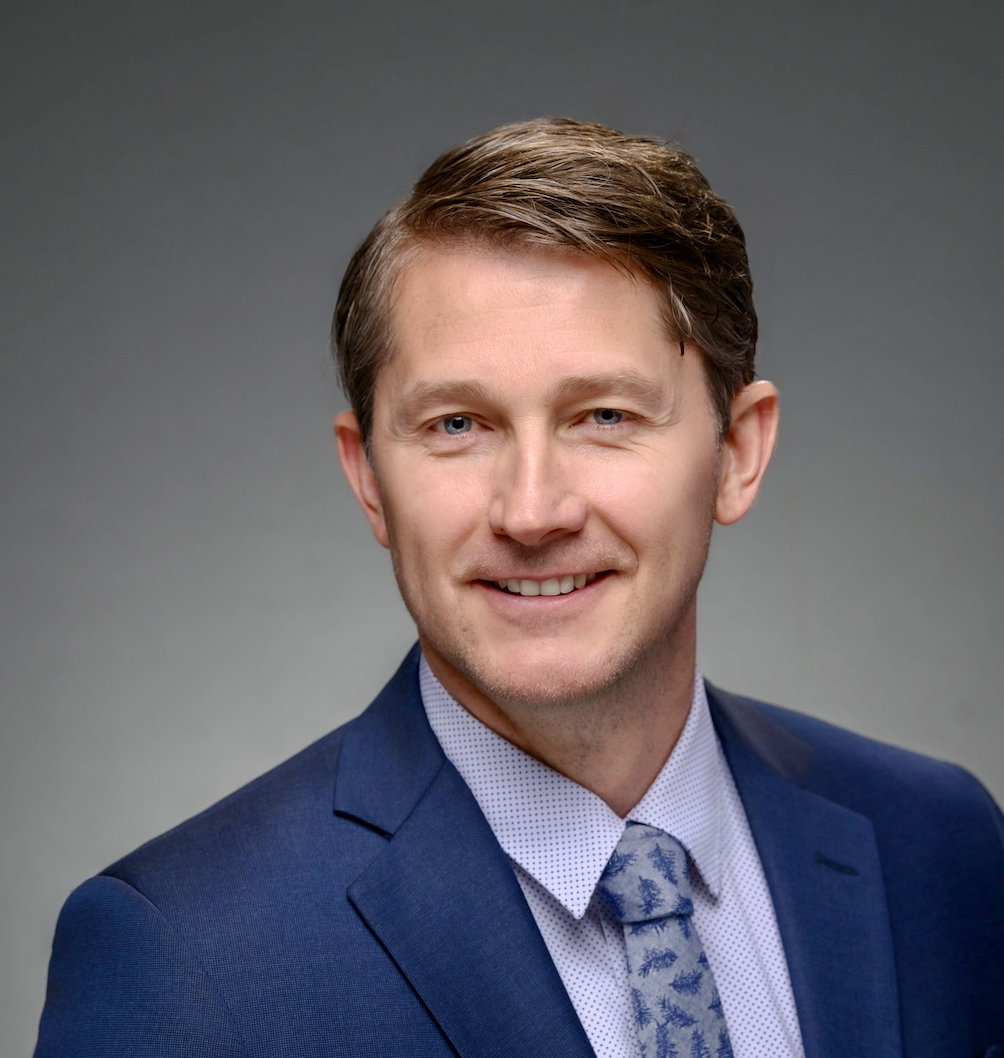
At the Russell Center for Endocrine Health in Hunt Valley, Maryland, Dr. Jon Russell specializes exclusively in thyroid and parathyroid surgery—performing these operations daily, not occasionally. A Johns Hopkins-trained endocrine surgeon with over 200 published research articles and thousands of thyroid operations, Dr. Russell maintains complication rates well below national averages while offering the full spectrum of techniques from traditional surgery to advanced scarless thyroid surgery.
Dr. Russell serves on the American Thyroid Association Guidelines Committee and teaches other surgeons internationally. He uses nerve monitoring technology in every operation and can answer every question on this list with confidence and transparency.
Print these 14 questions to bring to your thyroid surgeon consultations. Having this framework ensures you gather the specific information you need to make a fully informed decision about your thyroid surgery care—and potentially your voice, calcium levels, and long-term health.

Centro de salud y cirugía tiroideas/paratiroideas de primer nivel ubicado en el área metropolitana de DC/Baltimore.