English


October 20, 2026
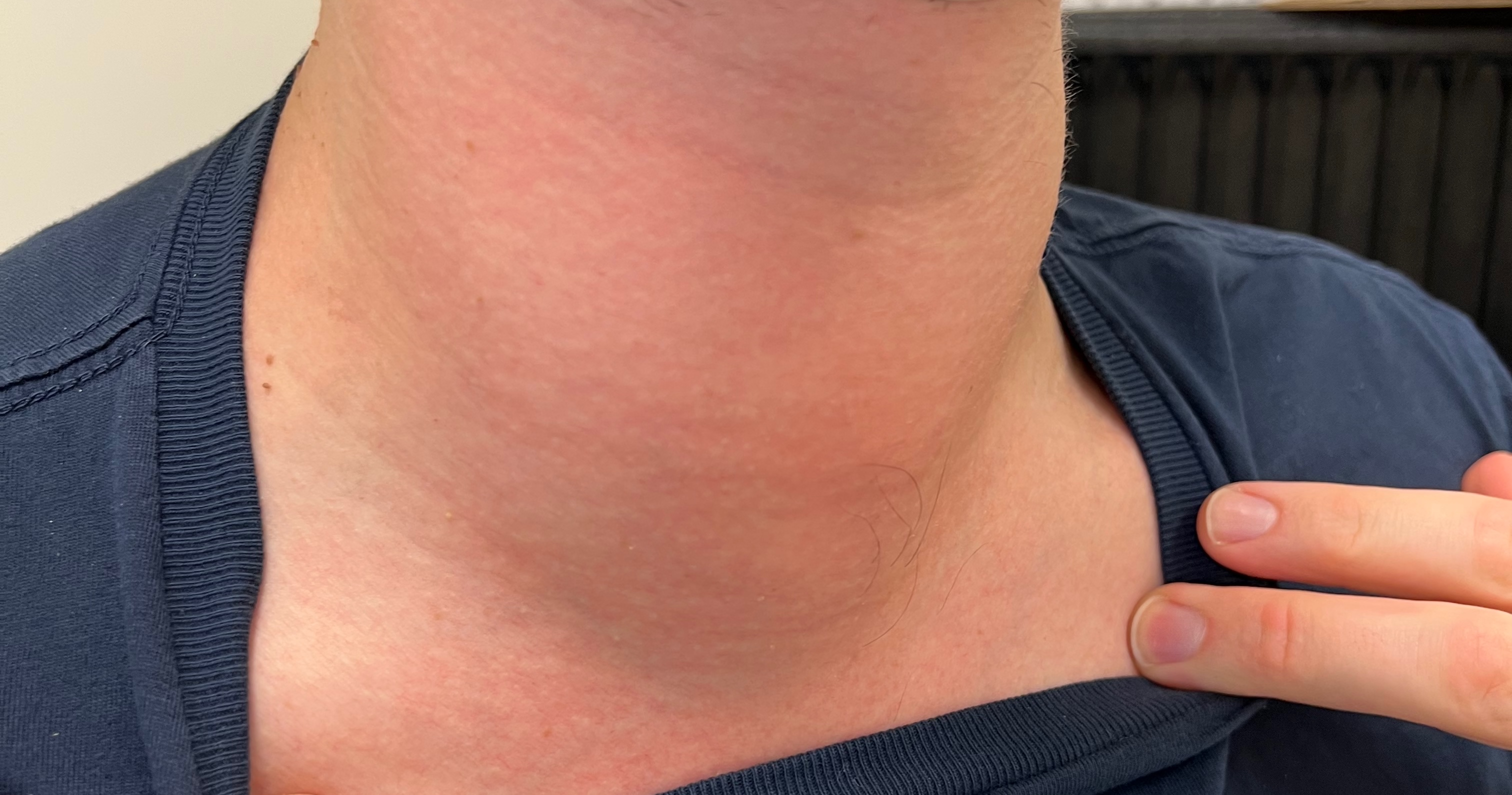
Imagine falling asleep with a lifelong thyroid problem and waking up without it. It sounds too good to be true. Can surgery fix Graves' disease or Hashimoto's?
Like most things, the answer is nuanced: surgery can't erase an autoimmune disease. But for many people, it does something almost as good. It stops the disease from running your life.
"Cure" can mean different things to different people. Here are four ways to think about it, and how surgery measures up.
No treatment can do this today. Not surgery. Not radioactive iodine. And usually not anti-thyroid drugs like methimazole (except in the case of a durable remission, which usually occurs in the first year or two after diagnosis with Graves' disease). After your whole thyroid is removed, you take a thyroid hormone pill each day, usually for life.
For most people, that means one small pill and a blood test now and then. Some people need a few dose changes before they feel just right.
Graves' disease makes your thyroid work too hard. Your heart may race. You may feel shaky, hot, anxious, or worn out.
Removing the whole thyroid stops this for good. After a total thyroidectomy, the overactive thyroid almost never comes back [1].
It may also help you live longer. A large UK study followed more than 55,000 people with an overactive thyroid. After accounting for other health factors, people who had surgery had a 20% lower risk of dying than people who stayed on thyroid-blocking pills. For radioactive iodine, the risk was 13% lower [2]. This kind of study shows a strong link, not proof.
Surgery is also kind to your eyes. Radioactive iodine can cause or worsen Graves' eye disease in about 15 to 20 out of 100 people [3]. Studies comparing the two found that surgery did not make eye disease worse [4].
Some people with Hashimoto's still feel sick even when their blood tests look normal. They may feel tired all the time, have sore muscles and joints, or have dry eyes.
A study in Norway tested whether surgery could help. It included 150 people with these symptoms and very high thyroid antibodies. Half had their thyroid removed. Half stayed on pills alone.
The surgery group felt better and less tired. The pill group did not [5]. Five years later, the surgery group still felt better [6].
This is one study, and doctors are still learning why surgery helps. In that study, about 1 in 7 surgery patients had a lasting side effect, such as a weaker voice or low calcium [6]. The researchers said this surgery should be done at experienced centers.
We agree. Who does your surgery matters. Surgeons who do more thyroid operations have fewer problems [7]. Dr. Russell has performed more than 4,000 thyroid and parathyroid procedures. Since 2016, he has had zero permanent voice nerve injuries in about 1,000 scarless thyroid surgeries as of this writing. Meet Dr. Russell.
With Hashimoto's and Graves', your immune system makes antibodies that attack your thyroid. Doctors check them with a blood test.
Once the thyroid is gone, the immune system has nothing left to aim at. In one study, these antibodies slowly faded and often disappeared completely. On average, it took about 3 to 6 years [8]. (People in that study also had radioactive iodine after surgery.)
That's a big deal. Still, your immune system may keep its tendency toward autoimmune problems. So we call this remission, not a cure. It does NOT mean that your body is more likely to attack another organ once your thyroid is gone, however.
Removing the whole thyroid. If part of the thyroid is left behind, the immune system still has a target. With Graves', the overactive thyroid is more likely to come back [1].
Some people hope to keep part of their thyroid so they can skip the daily pill. But in places where thyroid hormone is easy to get, like the U.S., removing the whole gland is usually the safer, more complete choice.
At the Russell Center, you have options:
After treating thousands of people with Graves' and Hashimoto's, I've seen surgery change lives.
Surgery won't erase autoimmune disease. But it can end the overactive thyroid of Graves' for good. It is linked to a longer life. And it can help many people with Hashimoto's finally feel like themselves again.
Surgery isn't right for everyone. Like radiofrequency ablation and our other treatments, it's one tool. The best choice is the one that fits your health, your life, and your goals. That's the conversation we have with every patient.
Ready to talk about your options? Schedule a visit or call (443) 333-5233. Most people are seen within a week, and video visits are available for many patients.

World-class thyroid/parathyroid health and surgery center located in the greater DC/Baltimore area.