English

October 9, 2026
The best place to have thyroid or parathyroid surgery is wherever an experienced, high-volume surgeon performs your entire operation, supported by expert pathology and anesthesia teams, modern safety technology, every appropriate treatment option, and a practice that responds to you quickly. Research consistently shows that the individual surgeon's experience is one of the strongest predictors of a safe outcome, more so than the name on the hospital.
This guide explains what to look for, the questions to ask any surgeon, and how we approach these priorities at the Russell Center for Endocrine Health (RCEH) in Columbia, Maryland.
Our goal at RCEH is simple: to be the best place in the world for thyroid and parathyroid care, with the best outcomes, the latest technology and the widest range of options. Everything we do is built around that goal.
A landmark study found that individual surgeon experience was significantly associated with complication rates and length of stay after thyroidectomy, while hospital volume had no consistent association with outcomes (Sosa et al., Annals of Surgery, 1998).
A later national study of nearly 17,000 patients found that complication risk rose as a surgeon's annual case volume fell (Adam et al., Annals of Surgery, 2017). The same research found that a majority of surgeons performing thyroidectomy did roughly one such case per year.
The takeaway: ask how many thyroid and parathyroid operations your surgeon personally performs each year.
Look for a surgeon whose practice is dedicated to thyroid and parathyroid disease, not one who does it occasionally.
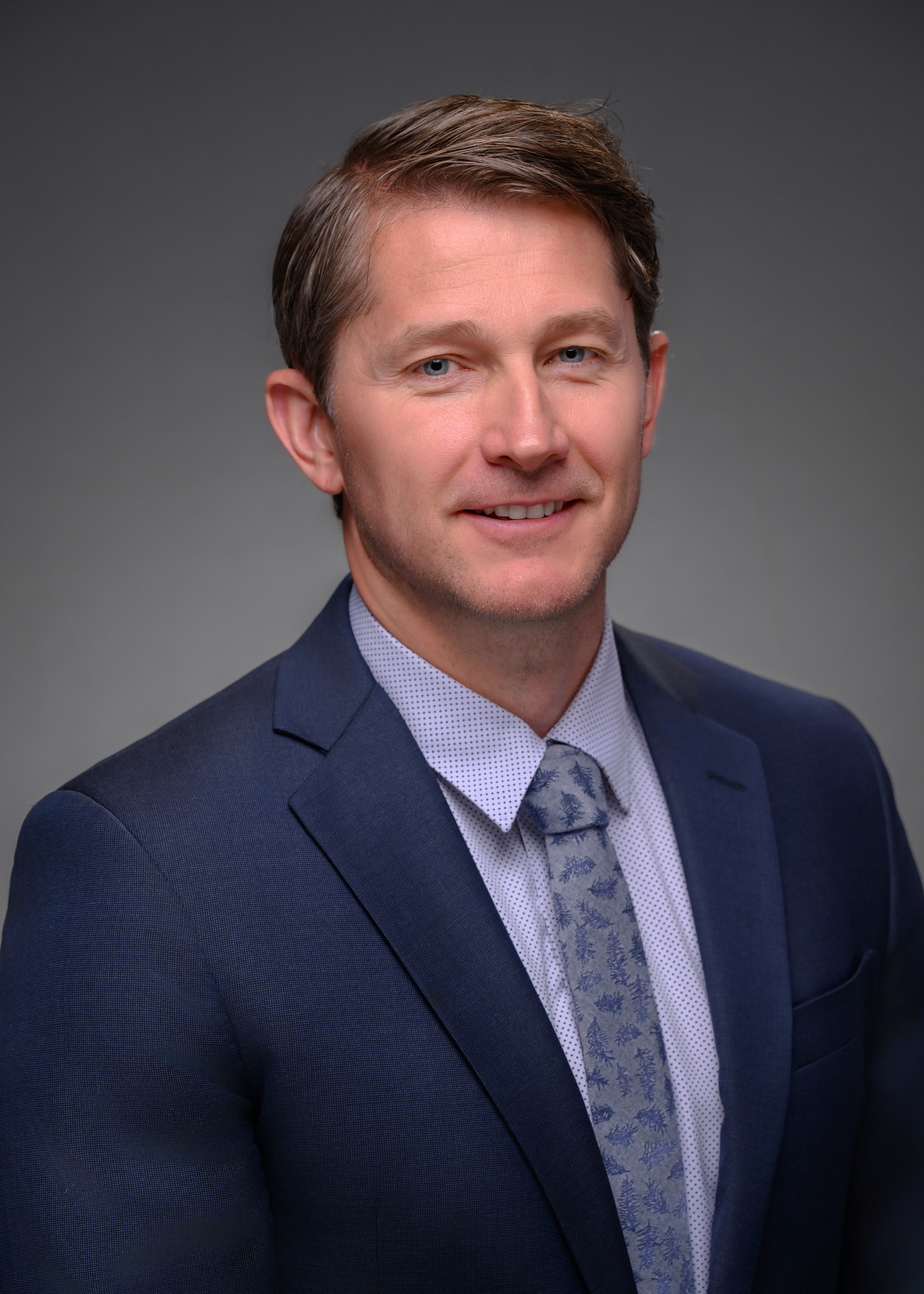
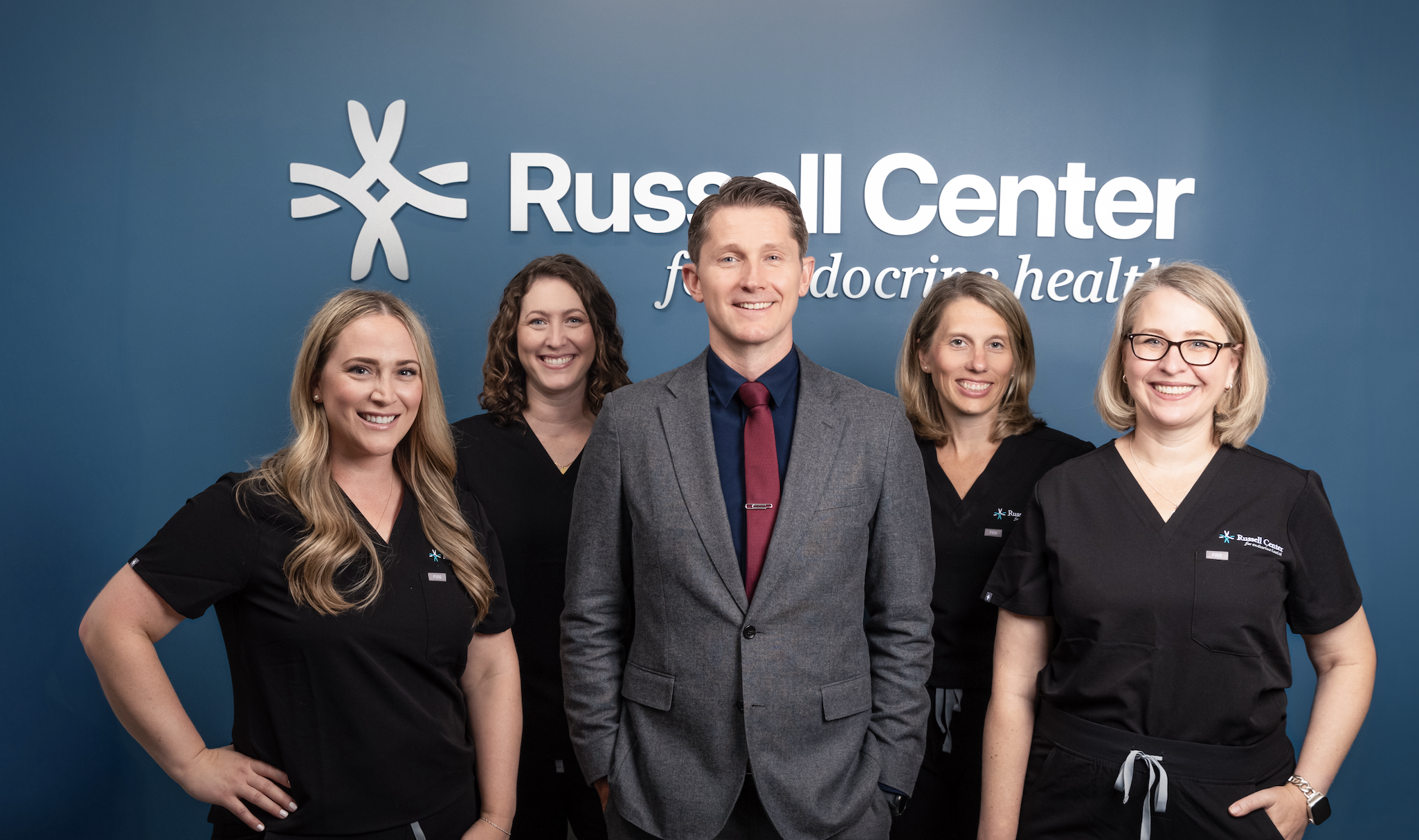
At RCEH: Our practice focuses exclusively on thyroid and parathyroid disease. Dr. Jonathon O. Russell has been the #1 volume remote-access thyroid and parathyroid surgeon in the United States over the last decade, by a significant margin. He introduced transoral endoscopic thyroidectomy (TOETVA) to the Western Hemisphere and has published more than 200 peer-reviewed works. Learn more about Dr. Russell and our team.
The two structures every patient worries about are the nerves that control the voice and the parathyroid glands that control calcium. Ask about outcomes, and ask what tools are used to protect them.
At RCEH: We have access to the latest technology, including intraoperative nerve monitoring to help identify and protect the voice nerves and parathyroid autofluorescence imaging to help the surgeon see and preserve the parathyroid glands. These tools are available as an option in every case. Since adopting the transoral approach in 2016, across approximately 1,000 transoral operations, Dr. Russell has had zero permanent recurrent laryngeal (voice) nerve injuries.
A surgeon who offers only one technique will tend to recommend it. You deserve a full discussion of your choices.
At RCEH, options include:
Whether a scarless approach is right for you requires an individualized discussion, and many patients are surprised to learn they qualify for scarless surgery.
Your diagnosis and your safety depend on more than the surgeon. Expert thyroid pathology determines your diagnosis and next steps; experienced anesthesia keeps you safe and comfortable.
At RCEH: Our patients' surgical pathology is interpreted by Johns Hopkins pathologists, and anesthesia is provided by Johns Hopkins anesthesiologists.
At many centers, parts of an operation may be performed by trainees. Ask directly.
At RCEH: Dr. Russell performs your entire operation himself.
Waiting weeks for a callback or months for a surgery date adds anxiety, and sometimes risk.
At RCEH: Calls are returned the same or next business day. Appointments are usually available within one week of your call, and surgery can generally be scheduled within a few weeks if you wish.
You should feel like a person, not a case number.
At RCEH: Our concierge model is built around time and access. Visits are unhurried, questions are answered directly, and after surgery patients have Dr. Russell's cell phone number. Read what our patients say.
Dr. Russell was lead author of the 2025 international consensus statement on remote-access thyroid and parathyroid surgery, endorsed by six international surgical and thyroid societies (Thyroid, 2025). He serves on the American Thyroid Association Guidelines and Statements Committee, served as 2024 President of the North American Society for Interventional Thyroidology (NASIT), and has trained surgeons at Stanford, NYU, MD Anderson, Harvard, UCLA and elsewhere.
Wherever you go, these questions help you choose well. For more, see A Surgeon's Secret: The 5 Things I Check Before Letting Anyone Operate on My Family.
The best place for you depends on your diagnosis, your goals and your circumstances. Many patients are well served by an experienced surgeon close to home. RCEH is a private, out-of-network practice seeking to be the premiere destination for thyroid or parathyroid surgery in the world: our surgical fee is self-pay, and many patients are ultimately reimbursed by their insurance for it, depending on their plan. Hospital and anesthesia fees are often covered by insurance as well (please verify with your insurer). We are glad to talk through whether we are the right fit, and to point you elsewhere if we are not.
Many of our patients travel to Columbia, Maryland, located between Baltimore and Washington, DC. Telehealth consultation is an option for many patients, so you can often plan a single trip for surgery.
Research suggests the individual surgeon's experience is more strongly linked to complications than hospital volume. The supporting team and facility still matter.
Research links higher annual surgeon volume with fewer complications. Ask any surgeon how many thyroid and parathyroid operations they personally perform each year.
For appropriate patients, yes. Remote-access approaches such as TOETVA avoid a visible neck incision. Candidacy requires an individualized discussion with an experienced surgeon.
For some benign nodules, radiofrequency ablation (RFA) is an option. Your surgeon should explain whether it fits your situation.
To schedule a consultation, call 443-333-5233 or request a consultation online.
Russell Center for Endocrine Health · 7226 Lee Deforest Dr, Suite 204, Columbia, MD 21046
This article is for general education and is not a substitute for individualized medical advice.

World-class thyroid/parathyroid health and surgery center located in the greater DC/Baltimore area.